Introduction
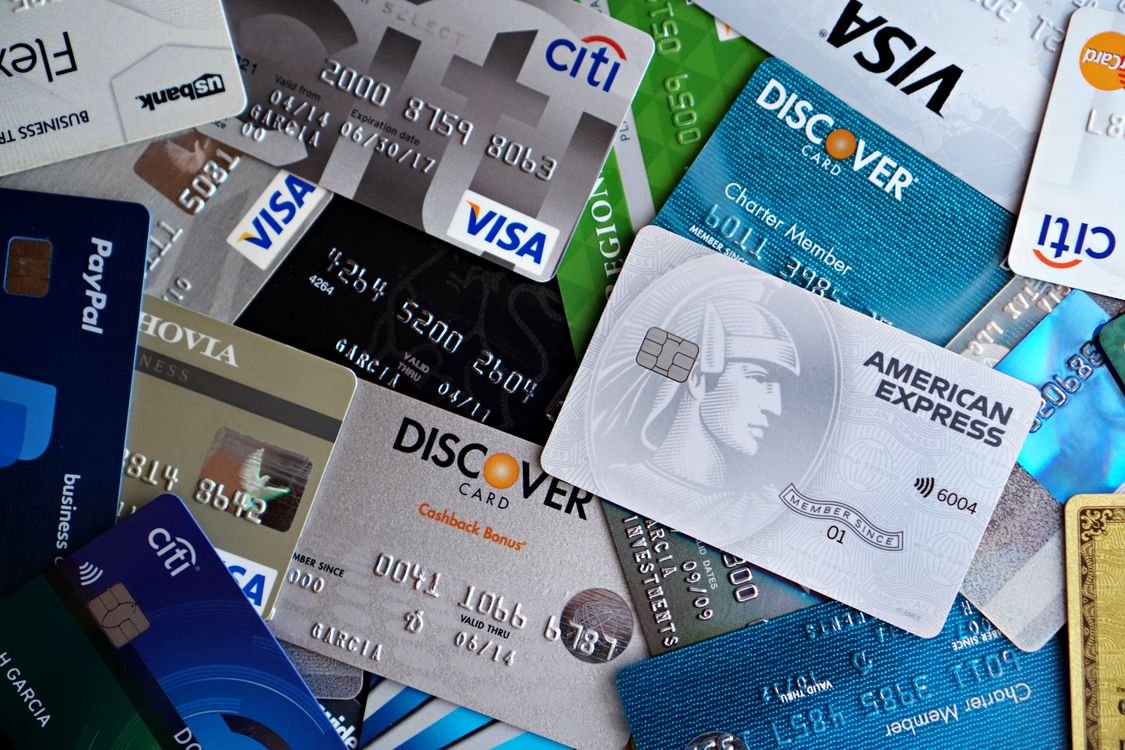
A business credit card is one of the simplest tools a small company can use to manage day to day spending. Around 19 percent of UK small and medium businesses use one, Funding Circle reports. It separates company and personal spending, smooths cash flow between invoices, and turns routine purchases into cashback.
The best choice depends on how your business spends, not on any single headline rate. A 1 percent cashback card is a poor deal if you carry a balance at 27 percent APR. This guide compares the leading UK cards for 2026 on fee, representative APR, cashback, interest free period, credit limit and eligibility. Treat the figures as a November 2026 snapshot and check the provider’s own terms before you apply.
What is a business credit card and how does it work?
A business credit card works like a personal card, but it is issued in your company’s name for company spending only. You get a credit limit and a monthly statement. Pay the balance in full and you normally pay no interest, thanks to an interest free period of up to 42 or 56 days. Pay only part of it and interest is charged on the rest, at the card’s variable APR.
Most cards also come with free staff cards, each with its own limit, plus tools that categorise spending for your accounting software. One protection does not carry over: Section 75 of the Consumer Credit Act 1974 does not apply to business cards.
Best business credit cards UK 2026 at a glance
| Card | Annual fee | Representative APR | Cashback | Interest free period | Best for |
|---|---|---|---|---|---|
| Capital on Tap | £0 (Pro £299/year) | 14.13% variable | 1% uncapped | Up to 42 days | Best overall |
| Funding Circle Cashback | £0 | 34.9% variable | 2% for 6 months, then 1% | Up to 42 days | Best introductory cashback |
| Barclaycard Select Cashback | £0 | 27.5% variable | 1% in months with £2,000+ spend | Up to 56 days | Best for sole traders |
| Lloyds Bank Business | £0 year 1, then £32/year | 15.95% variable | 1% fuel, 0.5% other spend | Up to 56 days | Best low APR bank card |
| American Express Business Gold | £0 year 1, then £195/year | 29.1% variable | Membership Rewards points | Charge card, pay in full | Best for high spend and travel |
The best business credit cards in detail
Capital on Tap: best overall
Capital on Tap is the strongest all round choice for most UK limited companies. The free tier has no annual fee, pays uncapped 1 percent cashback on every purchase, charges no foreign exchange fees, and offers limits up to £250,000. Representative APR is 14.13 percent variable, the interest free period is 42 days, and eligibility is limited to limited companies and LLPs with over £2,000 monthly turnover. Sole traders cannot apply.
Funding Circle Cashback: best introductory cashback
Funding Circle’s card leads on short term rewards: 2 percent cashback for the first six months, capped at £2,000, then 1 percent uncapped. No annual fee or foreign exchange fee, limit up to £250,000, up to 42 days interest free. The catch is the representative APR of 34.9 percent variable, so it only works if you clear the balance in full every month. Limited companies only.
Barclaycard Select Cashback: best for sole traders
Barclaycard Select Cashback is one of the few strong cards that accepts sole traders and partnerships, with no need to move your banking to Barclays. Annual fee £0, cashback 1 percent in any month where you spend £2,000 or more, interest free period 56 days. Representative APR is 27.5 percent variable, so this is a pay in full card for turnover between £10,000 and £6.5 million.
Lloyds Bank Business Credit Card: best low APR bank card
If you already bank with Lloyds, its business credit card is worth a look. Representative APR is 15.95 percent variable, the first year is free, then the fee is £32 a year per card, waived if you spend £6,000 or more. Cashback is 1 percent on fuel and electric vehicle charging and 0.5 percent on other purchases. The catch: you need an existing Lloyds business current account, and the limit tops out at £25,000.
American Express Business Gold: best for high spend and travel
American Express Business Gold is a charge card, so the balance must be paid in full each month. You earn 1 Membership Rewards point per £1 spent, and 2 points per £1 on American Express Travel. The annual fee is £0 for the first year and £195 a year after that. It suits businesses spending roughly £20,000 or more a year that can use the travel perks. Flexible Payment Option APR is 29.1 percent variable, and foreign spending carries a 2.99 percent fee.
Business credit card vs business debit card
| Feature | Business credit card | Business debit card |
|---|---|---|
| Spending money | Borrowed, repaid monthly | Your own account balance |
| Interest free period | Up to 42 to 56 days | None |
| Cashback or rewards | Usually 0.5 to 2 percent | Rarely any |
A debit card is the safer default for a business that wants zero debt. A credit card earns its place when you use the interest free period deliberately: pay suppliers on the card, hold the cash for up to eight weeks, then clear it.
How to choose the right card for your business
Start with how you actually spend, not the biggest cashback number. First, structure: Capital on Tap and Funding Circle only accept limited companies and LLPs, while Barclaycard Select Cashback is the strongest option for sole traders.
Second, do you pay in full every month? If yes, chase cashback and ignore APR. If you sometimes carry a balance, a low rate card like Lloyds, at 15.95 percent variable, costs far less.
Third, where do you spend? Capital on Tap and Funding Circle charge no foreign exchange fees, while Amex charges 2.99 percent on non sterling spend. Fourth, employee cards: most cards here include free additional cards with individual limits. Fifth, monthly spend: 1 percent cashback is worth £100 a month on £10,000 of spending but only £10 on £1,000, so a £299 fee only makes sense at higher volumes.
For the accounts these cards sit alongside, read our guide to the best business bank account for small business, and our guide to your business credit score.
What to watch out for before you apply
Most UK business credit cards require a personal guarantee, so you as director are personally responsible if the business cannot pay. Read that clause, and keep the credit limit realistic.
Representative APRs are exactly that: representative. Only 51 percent of successful applicants need to receive the advertised rate, so yours can be higher. Each application marks your business credit file, so apply only when ready.
Cash withdrawals are expensive, often around 3 percent plus immediate interest with no interest free period, so use a debit card or bank transfer for cash. Interest is generally a deductible business expense, but the card is not a substitute for proper borrowing. For larger spending, compare the cost against a loan first; our business loans guide sets out the options.
How to apply for a business credit card
Applying takes around ten minutes online, and many providers decide in minutes. Have these ready: Companies House number, bank account details, last two years of accounts or tax returns, and address history for the last three years.
Shortlist two cards, check eligibility with a soft checker if offered, and apply for your first choice only. Once approved, set up a direct debit to clear the full balance each month, set limits on employee cards, and connect the card feed to accounting software.
If declined, find out why before applying elsewhere. A thin business credit file is the most common reason for a new company, and three to six months of trading with a business bank account and a business savings account will usually strengthen it.
Frequently asked questions
Can a sole trader get a business credit card in the UK?
Yes, but the choice is narrower. Barclaycard Select Cashback accepts sole traders, and some high street banks offer cards to sole traders with a business current account there. Most fintech cards are limited to limited companies and LLPs.
How much cashback can a small business realistically earn?
At 1 percent cashback, spending £3,000 a month earns £360 a year, and £5,000 a month earns £600. Introductory offers such as Funding Circle’s 2 percent for six months can double that in year one, but only if you pay in full.
Conclusion
For most UK small businesses in 2026, Capital on Tap is the best all round card: no annual fee, 1 percent cashback on everything, no foreign exchange fees. Funding Circle wins on first year cashback, Barclaycard is best for sole traders, and Lloyds is cheapest if you bank there already.
Whichever card you choose, the rule is the same. Use the interest free period, clear the balance in full every month, and let the card pay you in cashback instead of the other way round. Used that way it is a genuinely useful tool; used as a loan, it is one of the most expensive ways to borrow.
About the Author